
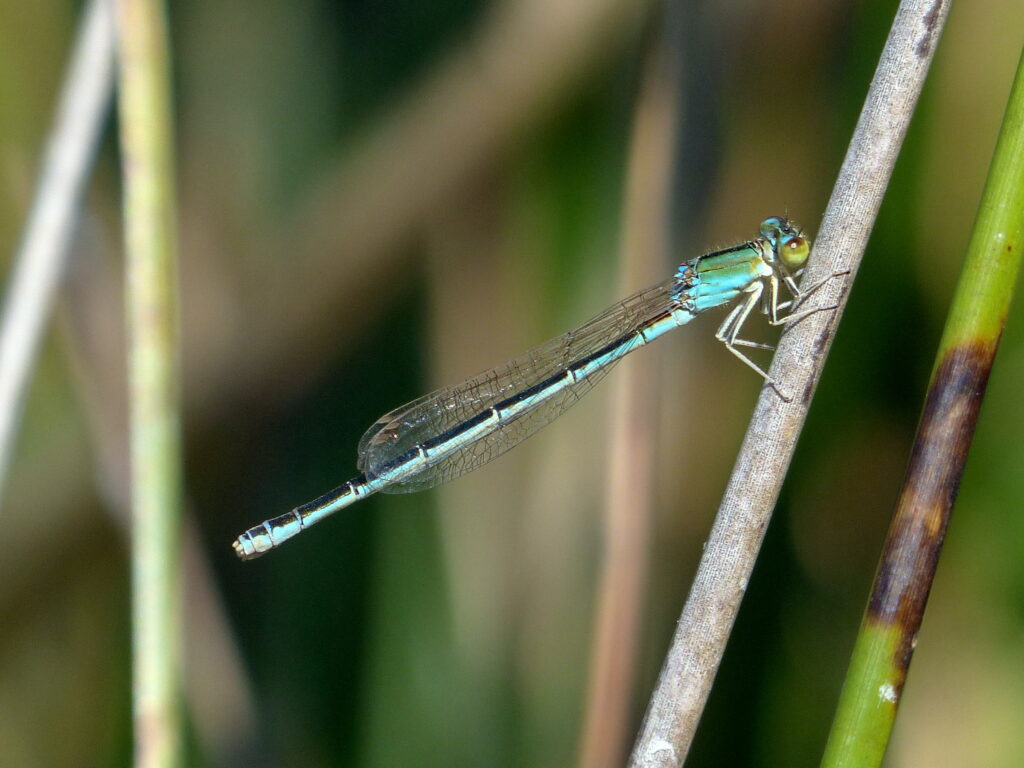
Red List Review 2026: What’s the future for Britain’s dragonflies and damselflies?
15/10/2026
Freshwater sentinels tell their story
Eight of Britain’s dragonfly and damselfly species are now classed as Endangered, twice the number identified in the previous assessment in 2008. But there are also reasons for hope, with some species showing positive changes and Britain’s established breeding dragonfly and damselfly community growing.
The findings come from the Review of the Red List Status of the Odonata of Great Britain 2026, published by the British Dragonfly Society (BDS). The review provides an updated assessment of the extinction risk facing Britain’s dragonflies and damselflies, helping to identify which species need the greatest conservation attention.
Dragonflies and damselflies are valuable indicators of freshwater habitat health. Changes in their populations can tell us much about the state of our wetlands and the wider environment.
A clearer picture of how our species are faring
The review updates the previous assessment, published in 2008. It assesses 46 established breeding species against internationally recognised IUCN Red List criteria, drawing on more than 1.3 million records collected over 20 years.
The assessment was commissioned and partially funded by Natural England. It also incorporates trend metrics and a risk-of-bias assessment provided by the UK Centre for Ecology & Hydrology (UKCEH), helping to build a robust picture of how species’ distributions are changing across Britain.
Dr Gary Powney, Quantitative Ecologist at UKCEH, said:
“Understanding how species are faring is a critical part of Red List assessments, helping us identify which species are most at risk of extinction. These assessments would not have been possible without the efforts of thousands of wildlife recorders and citizen scientists, who contributed more than 1.3 million species observations on which the trends are based. By combining these records with state-of-the-art analytical methods, we were able to produce robust estimates of how species distributions are changing across Britain.”
The results reveal a mixed picture. While some species are expanding their range, others face increasing extinction risk. Climate change, habitat degradation, habitat loss and fragmentation continue to put pressure on dragonflies and damselflies, although the impacts vary across the country.
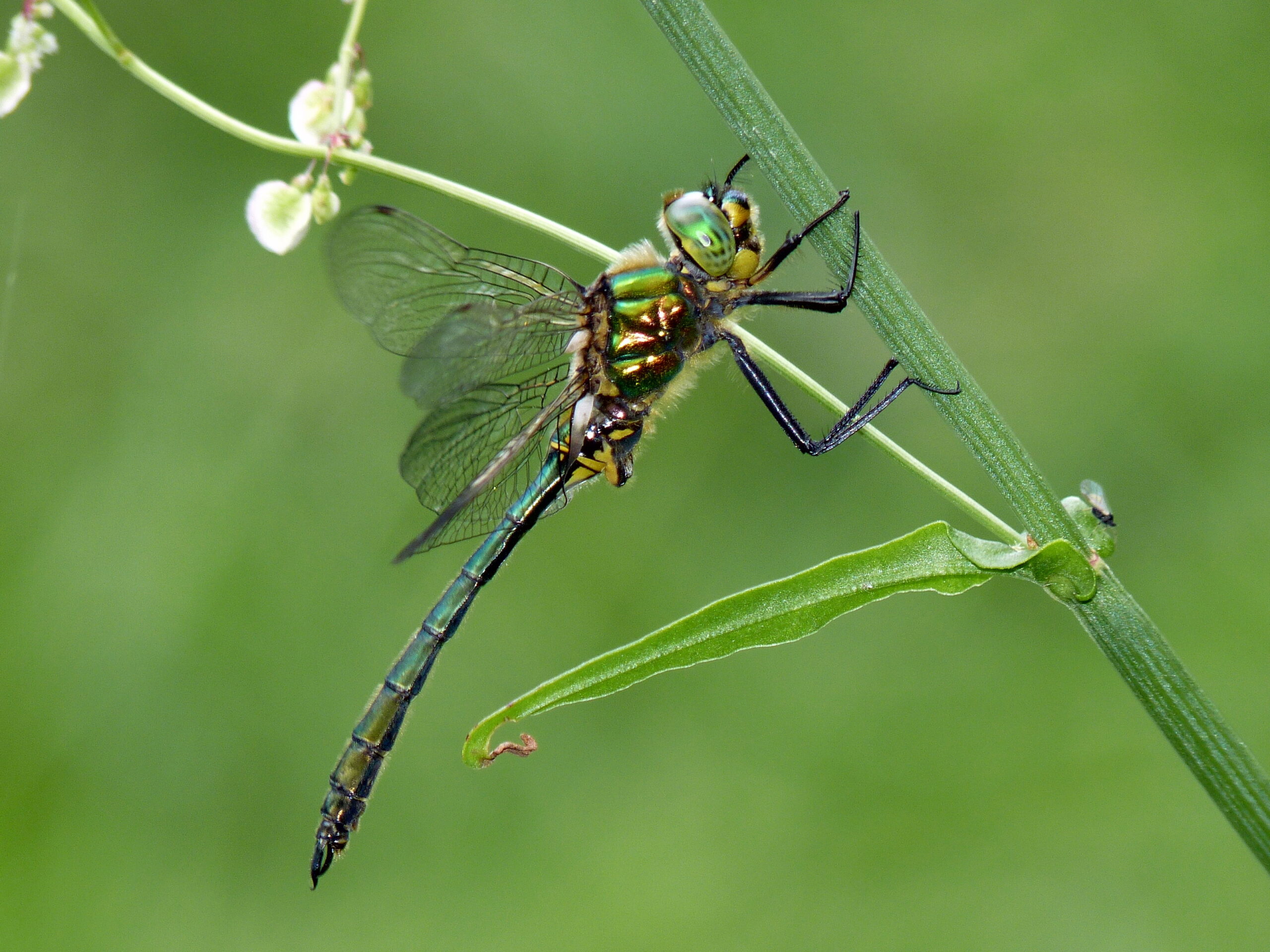
Brilliant Emerald – Dave Smallshire
Eight species are now Endangered
The number of species classed as Endangered has risen from four in 2008 to eight in 2026. Four species have moved into this category since the previous assessment:
- Brilliant Emerald – previously Vulnerable
- Azure Hawker – previously Vulnerable
- Northern Emerald – previously Near Threatened
- Scarce Blue-tailed Damselfly – previously Near Threatened
Other species are also showing concerning changes. The Common Hawker has moved from Least Concern to Near Threatened, while the Black Darter has been flagged for monitoring because of ongoing population decline, although it has not yet reached the threshold for a higher threat category.
These findings highlight the importance of continuing to monitor dragonfly and damselfly populations and protecting the habitats on which they depend.
Reasons for hope
Despite the concerning findings, the review also highlights positive developments.
Great Britain now has 44 extant established breeding species, compared with 39 in 2008. Large White-faced Darter, Yellow-spotted Emerald and Winter Damselfly are now included in the British Odonata list.
There is also a remarkable story of return. The Dainty Damselfly, previously considered Regionally Extinct in Britain, has returned and successfully bred in Kent. It is now classed as Endangered, reflecting its continuing vulnerability but also marking an important development in its British story.
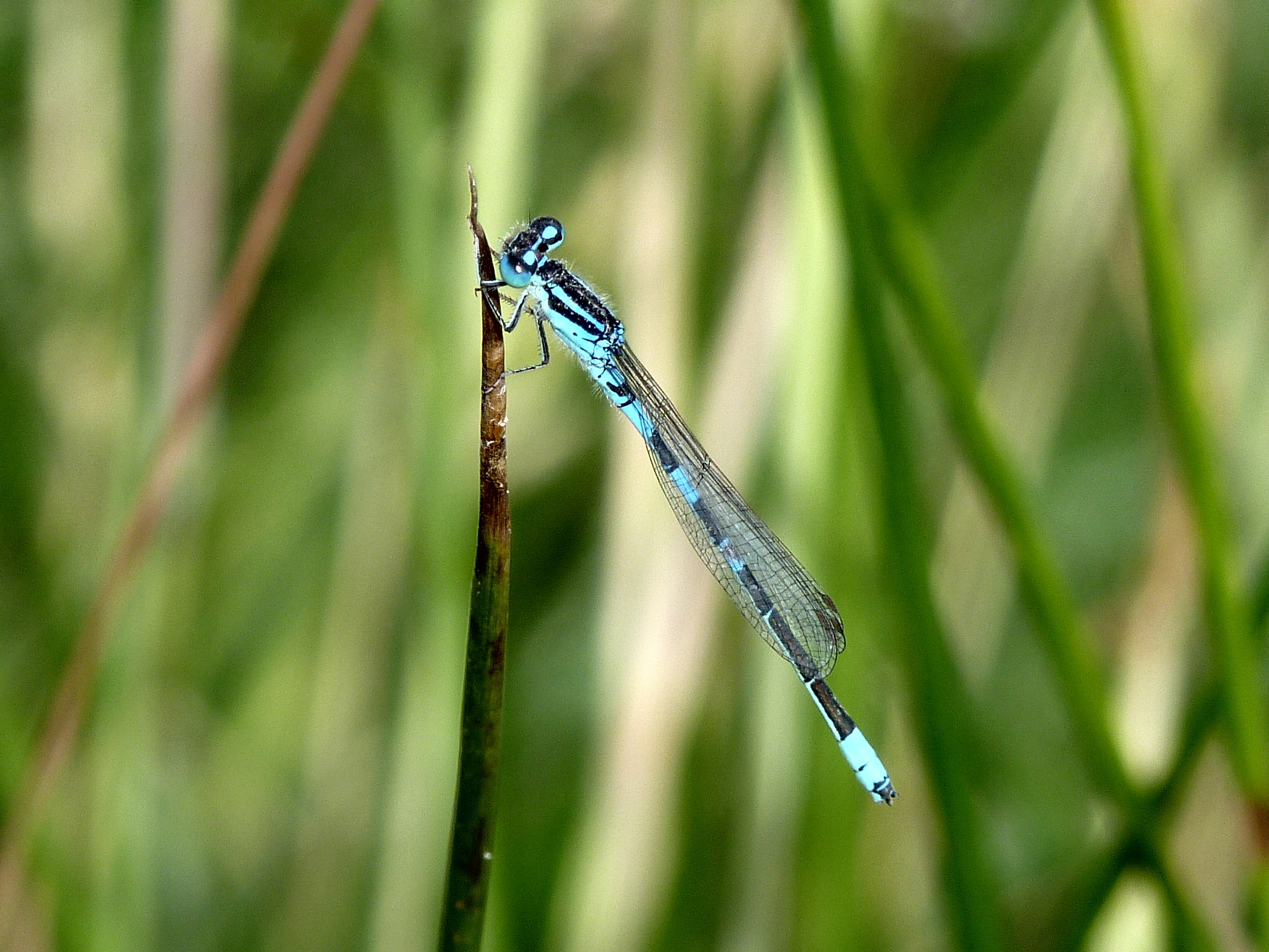 Dainty Damselfly – Dave Smallshire
Four species are now classed as Least Concern: Variable Damselfly, Scarce Emerald Damselfly and Scarce Chaser, which were previously Near Threatened, and Norfolk Hawker, which was previously Endangered.
These changes offer encouragement, while reminding us that the status of species can vary over time and that continued monitoring and conservation remain important.
Pam Taylor, Chair of Trustees at the British Dragonfly Society, said:
“This review and its findings demonstrate the complexity and geographical variation in the impacts of a changing climate, highlighting how these can create both threats and opportunities for species across the country. It represents years of recording effort by volunteers, ecologists, and conservation professionals and is an invaluable tool in helping to focus our conservation efforts where they are most needed and to more deeply understand the status of our dragonflies and damselflies and their freshwater habitats.”
Kate Morris, Senior Specialist – Species Recovery at Natural England, said:
“We are delighted to have worked with the British Dragonfly Society to produce this new Red List for Britain’s dragonflies and damselflies. The assessment demonstrates the value of strong partnerships and robust scientific evidence in understanding how our wildlife is faring. Its findings will help guide conservation action for threatened species and the habitats they depend on, helping us target efforts where they can make the greatest difference.”
Every record matters
This review would not have been possible without the many thousands of wildlife recorders, volunteers, ecologists and conservation professionals who have contributed observations over the past 20 years.
Long-term recording helps us understand where species are found, how their distributions are changing and which may need greater protection. Every dragonfly and damselfly record can help build the evidence needed to support future conservation.
By continuing to record sightings and protecting the wetlands they depend on, we can all play a part in helping Britain’s dragonflies and damselflies thrive.
Read the full report: https://british-dragonflies.org.uk/what-we-do/red-list-review/
The review was commissioned and partially funded by Natural England, with trend metrics and a risk-of-bias assessment provided by the UK Centre for Ecology & Hydrology.